
 01
Electrical Repair
Technicians trace voltage drops and loose connections that cause intermittent outages or warm receptacles and restore continuity without unnecessary replacement of intact conductors.
Electrician · the USA
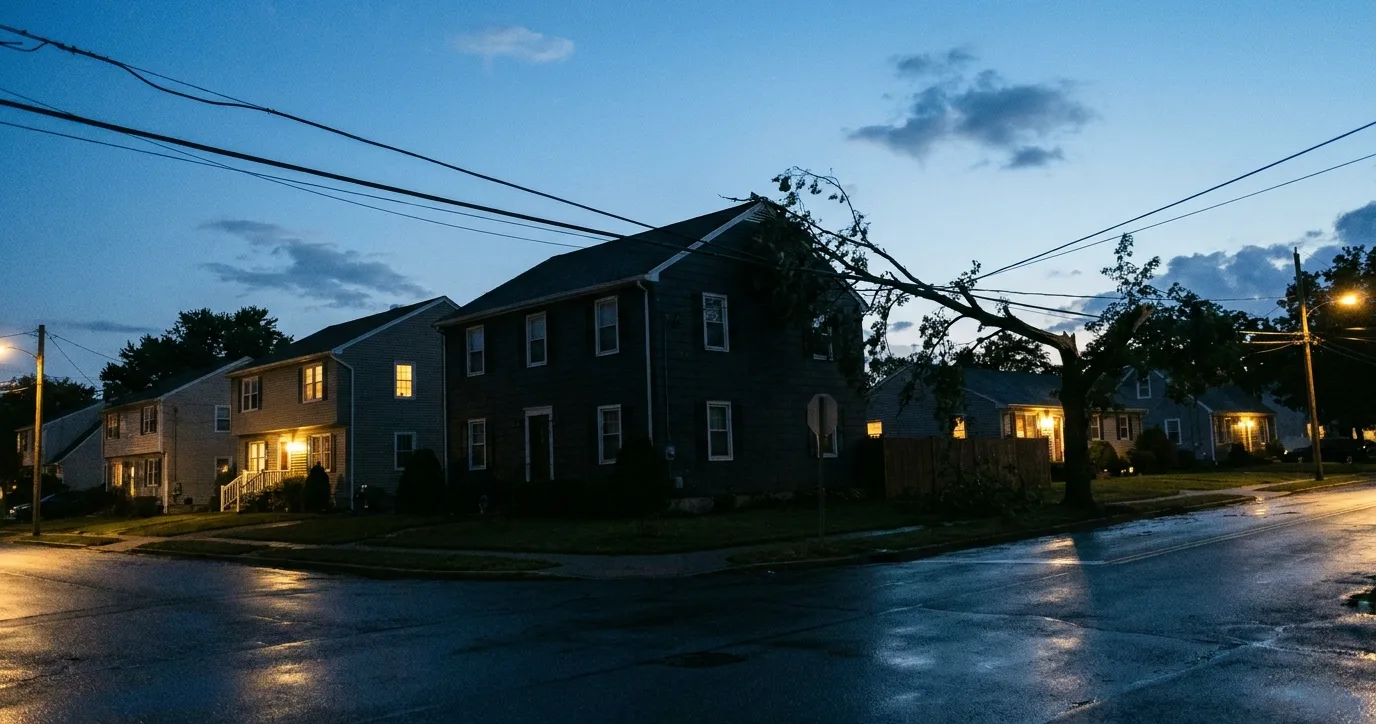
Masters Electric sends technicians nationwide to handle sudden power loss, breaker failures, and wiring faults that require immediate isolation and correction.
Technicians test each circuit sequentially to locate the exact point of failure before any restoration begins.
Amperage draw on every branch is measured against breaker rating to confirm no overload remains after repair.
Continuity to ground is confirmed on all outlets and appliances before any circuit is re-energized.
Masters Electric crews perform targeted repairs on panels, breakers, outlets, and generators while following established electrical code requirements at every property.
01Technicians trace voltage drops and loose connections that cause intermittent outages or warm receptacles and restore continuity without unnecessary replacement of intact conductors.
 02
Existing service entrance conductors are evaluated for capacity before any panel change so new breakers can handle added loads from appliances or vehicle chargers.
 03
Failed breakers are removed after upstream power is secured, bus bar contacts are inspected for pitting, and replacement units are torqued to manufacturer specifications.
 04
Transfer switches are wired to separate critical loads and interlock kits prevent back-feed into utility lines during portable or standby generator operation.
 05
Whole-house devices are installed at the main panel to clamp high-voltage transients before they reach sensitive electronics or motor windings.
 06
Backstab connections are replaced with side-terminal terminations and damaged boxes are secured to studs before new devices are installed.
 07
New fixtures are mounted after junction box support is verified and switched circuits are identified to avoid shared neutrals with other loads.
 08
Dedicated circuits are sized according to charger amperage, conduit is run to the parking location, and GFCI protection is added per code.
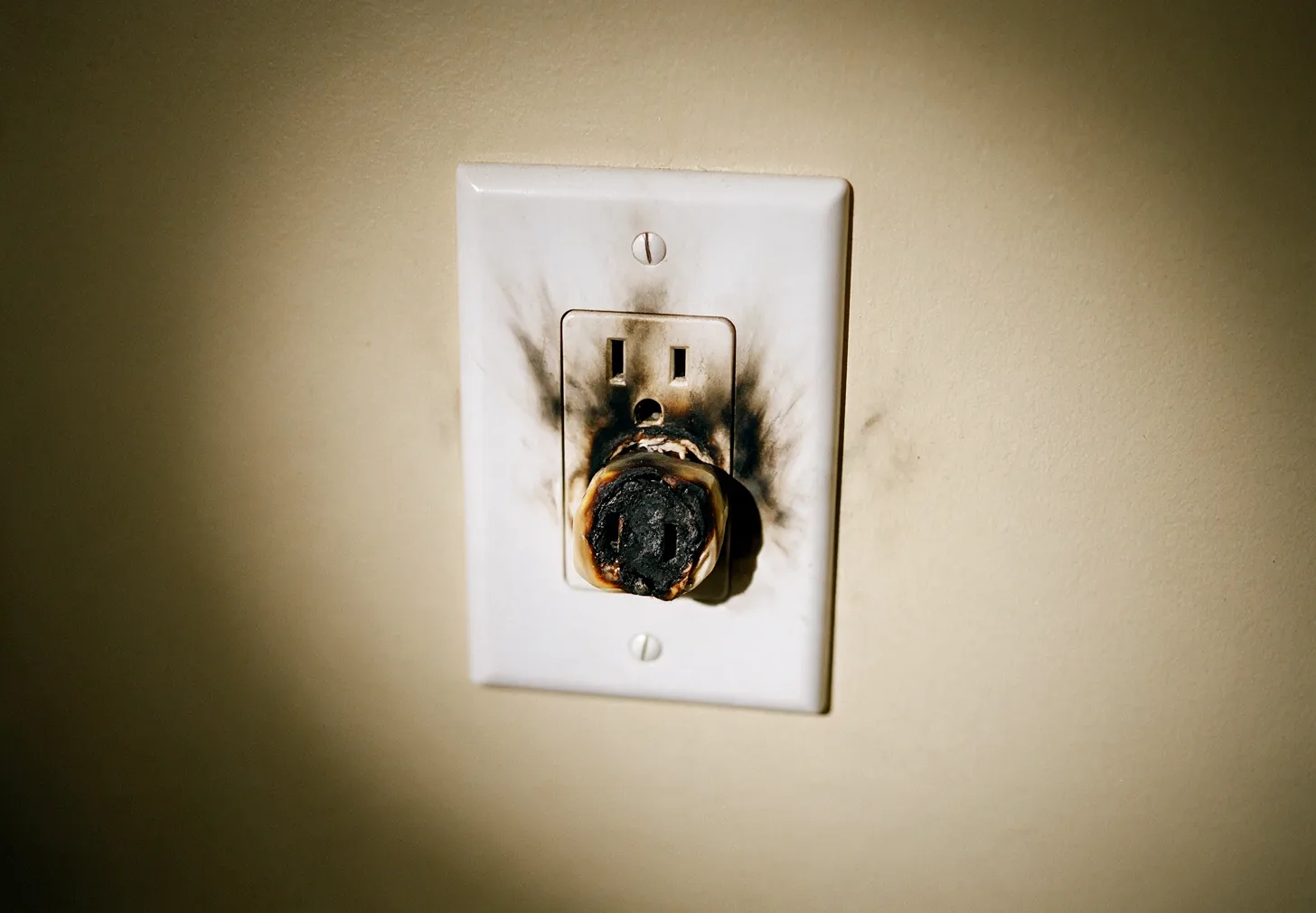
Burning plastic odor near outlets or panels indicates insulation breakdown from overheating conductors. Lights that dim when large appliances start can signal voltage drop across shared neutrals or undersized feeders. Any sparking from switches or receptacles requires immediate circuit isolation at the breaker.
Repeated breaker trips after resetting point to either a persistent short or sustained overload that will damage wire insulation if power is forced back on. Warm cover plates or discolored receptacles show loose terminations that create high-resistance points and continued heat buildup.
Locate the main breaker panel and switch off the affected circuit if the odor or sparking is isolated to one area. Avoid touching any device that feels warm or shows scorch marks. Unplug major appliances on the same circuit to reduce load while waiting for arrival.
Do not attempt to reset breakers more than once. Multiple resets can weld contacts inside the breaker or ignite insulation that has already been compromised by prior overheating.
Each call follows a fixed sequence that prioritizes safety verification before any corrective work begins across USA service areas.
Technicians question the homeowner about recent changes in load or recent construction that could have disturbed wiring before any panel is opened.
Circuits are de-energized one at a time while voltage and current readings are recorded to pinpoint the exact location of the fault.
Only damaged sections are removed and replaced with conductors and devices matched to existing gauge and insulation rating.
All repaired circuits are loaded to design amperage and monitored for temperature rise before the panel cover is reinstalled.
Technicians first verify zero voltage on the reported circuit with a calibrated meter before removing any covers. They then inspect terminations, measure conductor temperatures, and perform insulation resistance tests to determine the extent of damage.
Repairs begin only after the fault is isolated and surrounding wiring is confirmed intact. All replaced components are labeled and torque values are recorded for the property owner.
Technicians compare measured conductor resistance and visual condition of insulation against replacement cost. A single damaged segment may be spliced if the remainder of the run shows acceptable values, but widespread heat damage requires full circuit replacement to prevent future failure points.
Panel components are evaluated for bus bar condition and breaker contact wear. Replacement is chosen when existing parts cannot maintain proper torque or show signs of arcing.
Time on site is determined by the number of circuits that must be traced and the accessibility of junction boxes behind finished surfaces. Properties with multiple additions or altered wiring require additional time to map existing runs before repairs can start.
Material costs rise when aluminum branch wiring or obsolete panel types are encountered because specialized connectors and new enclosures must be sourced to maintain code-compliant connections.
Kitchens and bathrooms in pre-1970 construction often share neutrals across multiple circuits, creating shock hazards when one circuit is opened. Technicians separate these neutrals and add dedicated returns before any device replacement.
In rental units, access panels and meter bases are inspected for unauthorized modifications that bypass overcurrent protection. Any such alterations are documented and corrected to restore proper fault clearing paths.
A persistent short or overloaded circuit is still present. Resetting without locating the cause overheats the breaker contacts and insulation, leading to repeated failure or fire risk.
Main breakers and bus connections remain energized even when individual breakers are off. Only qualified technicians should remove or install breakers after verifying zero voltage on the bus.
Burn marks on the bus, difficulty seating breakers, or inability to achieve proper torque on lugs show the panel has reached end of service life and must be changed.
A transfer switch or interlock kit is installed so the generator cannot back-feed utility lines, protecting line workers and preventing generator damage from out-of-phase utility power.
Utility switching surges and nearby lightning strikes induce voltages high enough to destroy electronics and motor windings; point-of-use strips cannot handle the full current available at the service entrance.
No. Dedicated conductors sized for continuous charger load plus a new two-pole breaker are required to prevent voltage drop and overheating of shared circuits.
Masters Electric responds to power loss, breaker faults, and wiring issues nationwide. Contact us to schedule a technician.